Pipely: A Playful Display Font for Creative Branding
There’s a certain kind of moment in design work that feels like the perfect opportunity to test a new font. It’s the kind of moment where you’re deep in the process of building a brand identity, and you find yourself staring at a blank brand board, wondering how to make it pop. That’s when I decided to try Pipely on a logo concept for a boutique coffee shop. It wasn’t just any font—it was a personality, a vibe, and a visual statement all wrapped into one.
The First Impressions: Playfulness with Purpose
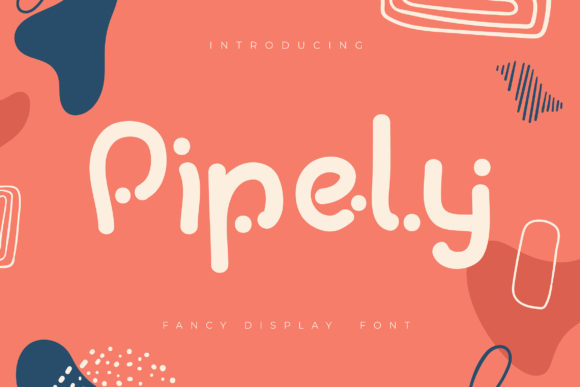
Pipely is a unique display font that immediately caught my eye with its playful curves and bold strokes. It’s not your typical sans serif or serif typeface; it has a distinct character that feels both modern and whimsical. The letterforms are rounded but not too soft, which gives them a friendly yet professional edge. This makes Pipely versatile enough to work in both creative and commercial contexts.
When I first used Pipely on the coffee shop logo, I was struck by how it balanced charm with clarity. The font’s openness made it feel approachable, while its structure kept it from looking too casual. It was the kind of font that could sit comfortably on a storefront sign, a business card, or even a social media graphic without losing its impact.
Testing in Real Projects: From Logo to Packaging
I tested Pipely across several branding assets, including a logo draft, brand board, packaging mockup, and website header. In each case, it held up well, especially when used as a headline or accent font. On the logo, it added a sense of energy and creativity that aligned perfectly with the boutique’s aesthetic. When applied to packaging, it brought a fresh, modern look to product labels, making them stand out on shelves.
One thing I noticed was how Pipely performed in different sizes. At larger sizes, it felt bold and dynamic, ideal for headlines and posters. But even at smaller sizes, it maintained readability, which is a big plus for use on business cards or digital banners. However, I wouldn’t recommend using it for long body text or formal corporate documents, where a more traditional serif or sans serif font might be better suited.
Font Pairing and Versatility
Pairing Pipely with other fonts can enhance its versatility. I found that pairing it with a clean sans serif like Montserrat or a classic serif like Georgia created a nice contrast that emphasized Pipely’s playful nature. For a more cohesive look, I paired it with a modern script font for social media graphics, adding a touch of elegance without overpowering the message.
Pipely also includes PUA encoding, which means you can access alternate characters and ligatures. This is particularly useful for creating custom designs or ensuring the font works across multiple languages. The font comes in several weights and styles, giving designers flexibility when working on different design assets.
Design Applications and Limitations
Pipely is best used as a display font or headline font. It shines in short phrases, taglines, and visual elements where personality and impact matter most. Whether it’s a wall poster, an Instagram post, or a website hero section, Pipely adds a unique flair that stands out in a crowded visual landscape.
However, there are some limitations to consider. Because of its stylized appearance, Pipely may not be the best choice for long body text or formal documents. It also requires careful use in small sizes to maintain legibility. Designers should test the font in different contexts before finalizing their choices, especially when working on client projects.
Practical Tips for Using Pipely
If you’re considering using Pipely for a client project, start by testing it in various formats—print and digital, large and small. Check how it looks on a business card, a website header, and a social media graphic. Also, review the font’s licensing terms to ensure it meets your commercial needs. Pipely is a premium font, so understanding its usage rights is essential before incorporating it into brand identity, packaging, or digital products.
Another tip is to experiment with font pairing. While Pipely is a standout on its own, combining it with complementary fonts can create a more balanced and professional look. Don’t be afraid to mix it with a modern typography system or a classic typeface to achieve the desired visual effect.
Overall, Pipely is a great addition to any designer’s toolkit, especially for those working on creative and branding projects. Its playful yet professional style makes it a versatile choice for a wide range of applications, from logos to social media graphics. With the right context and pairings, it can elevate your design work and help communicate your brand’s personality effectively.